

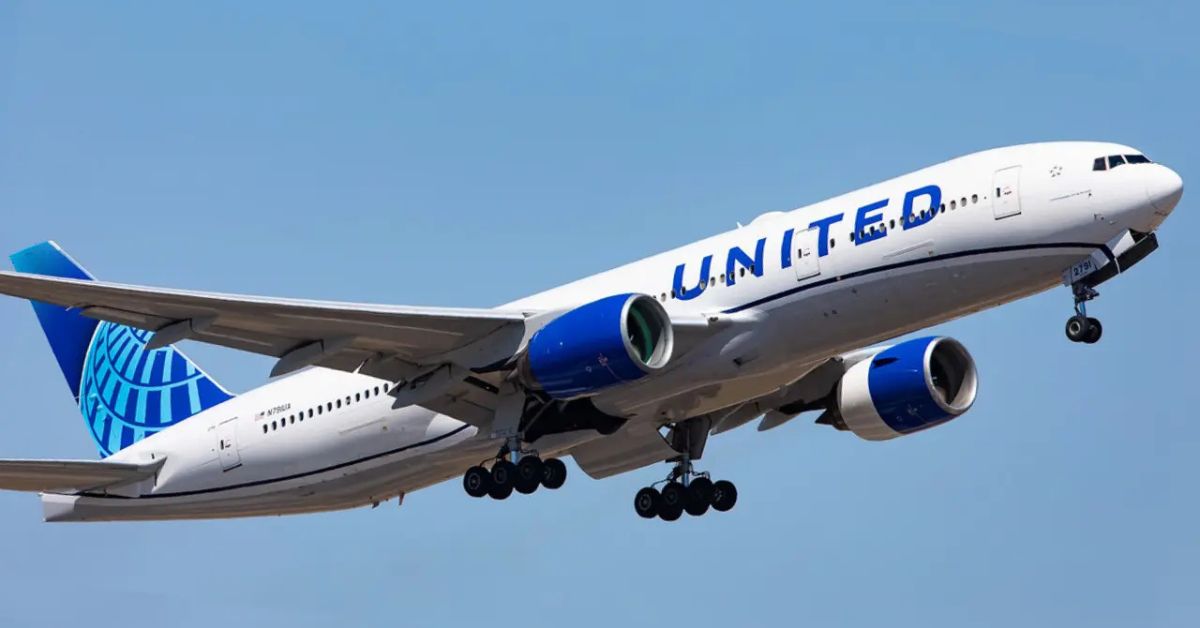
Air travel is widely regarded as one of the safest modes of transportation, supported by advanced engineering, strict regulations, and highly trained professionals. Despite these safeguards, unexpected situations can still occur during flight operations. One such case that drew attention is the united airlines flight ua770 emergency diversion, an event that highlights how aviation systems respond effectively under pressure.
Understanding incidents like this is essential for building public awareness and confidence. The united airlines flight ua770 emergency diversion serves as a strong example of how preparedness, training, and real-time decision-making work together to ensure safety in challenging circumstances.
Overview of the Incident
The united airlines flight ua770 emergency diversion occurred during a long-haul international journey when the aircraft encountered a technical concern mid-flight. Initially operating under normal conditions, the flight crew identified an issue that required immediate attention.
Instead of continuing toward the original destination, the pilots made a precautionary decision to divert to a nearby airport. This approach reflects standard aviation practices, where safety always takes precedence over schedule or convenience.
Possible Causes Behind the Diversion
Although detailed technical investigations can take time, early indications suggested that the issue involved a system alert. In aviation, such alerts can include irregular readings related to pressurization, sensors, or onboard systems.
Pilots are trained to respond to these warnings with caution. Even a minor anomaly can trigger a diversion if there is any uncertainty about the aircraft’s condition. This careful approach ensures that potential risks are addressed before they escalate into more serious situations.
Crew Response and Professional Handling
The success of any emergency situation depends heavily on the competence of the crew. In this case, the flight crew demonstrated exceptional professionalism and adherence to safety protocols. Their training enabled them to assess the situation quickly and make informed decisions.
Cabin crew members also contributed significantly by maintaining calm within the aircraft. They communicated clearly with passengers, helping reduce anxiety and ensuring that everyone remained cooperative throughout the process.
Passenger Experience During the Event
For passengers, an unexpected diversion can be a stressful experience. However, clear communication and visible confidence from the crew can make a significant difference. Reports suggest that passengers were kept informed in a calm and reassuring manner.
The orderly handling of the situation reflects the importance airlines place on both physical safety and passenger comfort. Even during unexpected events, maintaining trust and transparency is a key priority.
Key Safety Measures That Ensured a Safe Outcome
Aviation safety is built on multiple layers of protection. The following measures played an important role in managing the situation effectively:
Important Safety Actions:
- Immediate detection of technical irregularities
- Quick decision-making by the flight crew
- Continuous communication with air traffic control
- Selection of a suitable alternate airport
- Preparedness of ground emergency services
These steps ensured that the situation remained controlled from start to finish.
Below is a simplified overview of how the situation unfolded:
| Stage | Description |
|---|---|
| Normal Operations | Flight cruising at planned altitude |
| Issue Detection | Technical alert identified |
| Decision to Divert | Crew initiates diversion protocol |
| Passenger Communication | Situation explained calmly |
| Safe Landing | Aircraft lands without incident |
| Post-Landing Procedures | Inspection and passenger assistance |
This structured response demonstrates how well-defined protocols contribute to safe outcomes in aviation.
Operational Impact on the Airline
Emergency diversions can lead to operational disruptions, including delays, rescheduling, and additional inspections. Airlines must also manage passenger accommodations and logistical adjustments.
However, such disruptions are considered necessary when safety is involved. The aviation industry prioritizes precautionary measures, ensuring that no risk is taken when it comes to passenger well-being.
Lessons Learned from the Incident
Each aviation event offers valuable insights that contribute to ongoing improvements. This incident reinforces several key lessons for the industry:
Key Takeaways:
- Early identification of issues is critical
- Pilot training plays a vital role in crisis management
- Clear communication builds passenger confidence
- Diversions are a proactive safety measure
These lessons help strengthen existing systems and improve responses to future situations.
The Role of Technology in Modern Aviation
Modern aircraft are equipped with advanced monitoring systems that continuously track performance and detect anomalies. These systems provide real-time data to pilots, allowing for quick and informed decisions.
Technology, combined with human expertise, creates a reliable safety framework. This integration ensures that even unexpected challenges can be managed effectively and efficiently.
Conclusion
The united airlines flight ua770 emergency diversion illustrates how aviation safety systems operate in real-world conditions. From early detection of a potential issue to a controlled landing, every step reflects the industry’s commitment to safety and professionalism.
While such incidents may seem concerning, they often demonstrate the strength of aviation protocols. The united airlines flight ua770 emergency diversion ultimately reinforces confidence in air travel and highlights the effectiveness of global safety standards.
FAQs
1. What caused the emergency diversion?
The diversion was likely triggered by a technical alert, prompting the crew to take precautionary action.
2. Was anyone injured during the incident?
No, the aircraft landed safely, and there were no reported injuries.
3. Why do pilots divert flights?
Diversions allow pilots to address potential risks quickly and ensure passenger safety.
4. Are emergency diversions common?
They are relatively rare and are usually handled smoothly due to strict safety protocols.
5. What happens after a diverted flight lands?
The aircraft is inspected, and passengers are assisted with onward travel arrangements.