

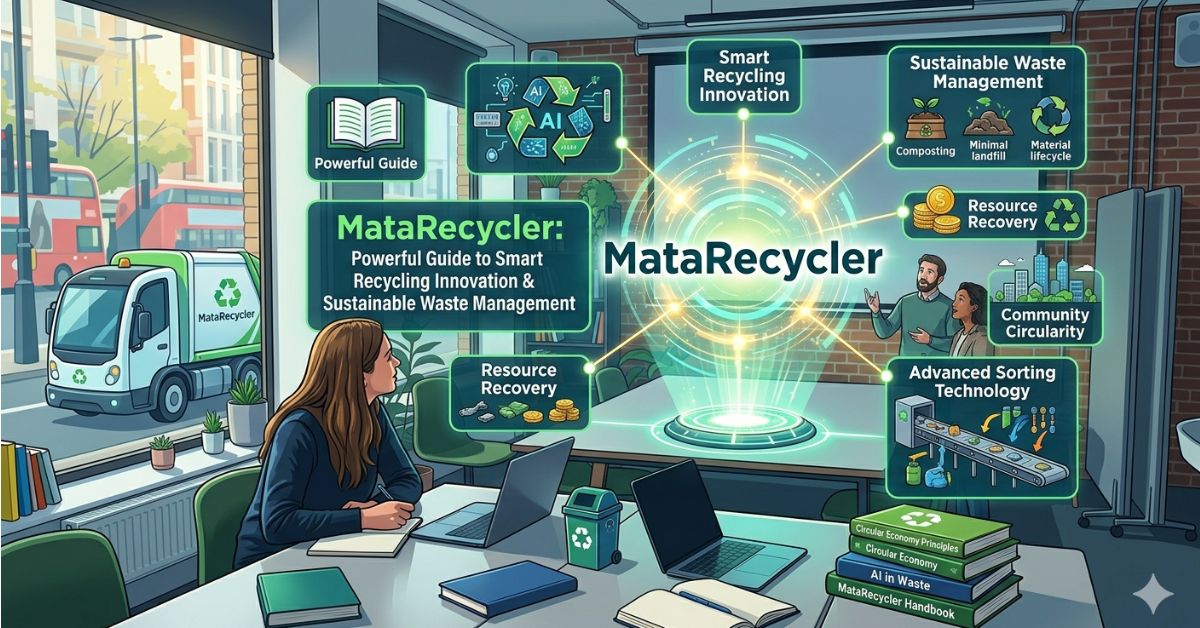
Modern waste management is no longer limited to collecting garbage and transporting it to landfills. Around the world, governments, environmental organizations, and private industries are investing in smarter systems that support recycling, reduce pollution, and conserve natural resources. This growing shift has increased public interest in advanced recycling solutions that combine sustainability with technology.
One term that has recently gained attention in discussions about eco-friendly innovation is MataRecycler. The concept is often connected with intelligent recycling practices, digital waste management systems, and environmentally responsible resource recovery. As communities search for cleaner and more efficient ways to manage waste, this topic continues to attract interest from businesses, researchers, and sustainability advocates.
Why Smart Recycling Matters Today
The world produces billions of tons of waste every year, and a large percentage of that waste is not recycled properly. Plastic pollution, electronic waste, and industrial byproducts are creating serious environmental challenges. Smart recycling systems are becoming essential because they help improve sorting accuracy, reduce contamination, and increase the recovery of reusable materials.
Advanced recycling methods can also lower operational costs and reduce pressure on natural resources. Businesses that invest in sustainable waste solutions often improve their environmental reputation while meeting modern regulatory requirements. Many cities are now adopting digital monitoring systems to track recycling performance and optimize waste collection routes.
Another important advantage is public awareness. Educational campaigns and digital platforms encourage people to recycle responsibly and understand the environmental impact of everyday waste. This combination of technology, education, and sustainability is helping shape the future of global recycling systems.
The Growing Role of MataRecycler in Sustainable Innovation
Interest in MataRecycler has increased because many people associate it with modern recycling innovation and eco-conscious practices. Discussions around the term frequently highlight automated waste sorting, data-driven recycling strategies, and environmentally responsible resource management.
Many sustainability experts believe that intelligent recycling systems can significantly reduce landfill dependency. Automated sorting technologies powered by artificial intelligence are capable of identifying recyclable materials faster and more accurately than traditional manual methods. This improves efficiency and helps recycling facilities recover more usable resources.
Another reason the topic is attracting attention is the growing demand for circular economy solutions. A circular economy focuses on reusing materials for as long as possible instead of continuously extracting new raw resources. Businesses and municipalities are increasingly exploring systems that support long-term sustainability goals.
Key Features of Modern Recycling Technologies
Modern recycling systems rely on multiple technologies working together to improve efficiency and environmental impact. These innovations are transforming the way waste is processed and managed.
Important Features Include:
- Artificial intelligence for waste identification
- Smart sensors for material detection
- Automated conveyor sorting systems
- Real-time recycling analytics
- Digital waste monitoring platforms
- Reduced landfill dependency
- Improved material recovery rates
These technologies not only improve recycling performance but also support cleaner urban environments. Smart systems can quickly identify plastics, metals, paper products, and electronic components, reducing contamination and increasing recycling success rates.
Organizations implementing these systems often experience long-term financial and environmental benefits. Efficient sorting processes lower labor costs, increase material recovery value, and improve sustainability reporting for businesses and public institutions.
How Businesses Benefit From Sustainable Recycling Systems
Companies are under increasing pressure to adopt environmentally responsible practices. Customers, investors, and government agencies all expect businesses to reduce waste and improve sustainability efforts. Smart recycling programs can help organizations achieve these goals while also strengthening brand reputation.
Businesses that invest in recycling innovation frequently experience operational improvements. Waste reduction strategies can lower disposal expenses, improve resource efficiency, and support corporate sustainability targets. Many organizations also use sustainability initiatives as part of their public relations and marketing efforts.
MataRecycler is often discussed in connection with modern business sustainability because it represents the broader movement toward intelligent waste management and environmentally focused innovation. As environmental regulations continue to evolve, companies that adapt early may gain a competitive advantage.
Environmental Impact and Long-Term Sustainability
Effective recycling systems play a major role in reducing pollution and conserving natural resources. Recycling materials such as aluminum, paper, glass, and plastics reduces the need for new raw material extraction, which lowers energy consumption and greenhouse gas emissions.
Landfills remain one of the largest contributors to environmental pollution. Poorly managed waste can contaminate soil, waterways, and ecosystems. Sustainable recycling programs help reduce these risks by diverting reusable materials away from landfill sites and back into production cycles.
The growing interest in MataRecycler also reflects wider public concern about climate change and environmental protection. Communities are becoming more aware of how responsible recycling practices contribute to cleaner cities, healthier ecosystems, and long-term sustainability.
Important Recycling Trends Shaping the Future
The recycling industry is rapidly evolving as new technologies and sustainability policies emerge. Several important trends are shaping the future of waste management worldwide.
| Trend | Importance | Potential Impact |
|---|---|---|
| AI-powered waste sorting | Improves efficiency | Higher recycling accuracy |
| Smart waste bins | Enhances collection systems | Reduced operational costs |
| Circular economy models | Encourages material reuse | Less landfill waste |
| Digital recycling analytics | Tracks performance data | Better sustainability planning |
| Eco-conscious consumer behavior | Increases recycling participation | Stronger environmental awareness |
These trends demonstrate how digital innovation is transforming recycling operations across industries. Governments and private organizations are increasingly investing in technologies that improve sustainability outcomes and reduce environmental damage.
MataRecycler is frequently connected with these industry developments because the keyword is associated with advanced recycling ideas and smart environmental management solutions.
Challenges Facing Modern Recycling Systems
Despite significant progress, the recycling industry still faces several important challenges. One major issue is contamination caused by improper waste disposal. When non-recyclable materials enter recycling streams, processing costs increase and recovery rates decline.
Infrastructure limitations also create difficulties in many regions. Some cities lack modern recycling facilities, advanced sorting equipment, or effective public education programs. Without proper investment, recycling systems may struggle to meet growing waste management demands.
Another challenge is balancing sustainability goals with financial realities. Advanced recycling technologies often require substantial upfront investment, which can be difficult for smaller municipalities and businesses. However, long-term environmental and operational benefits may outweigh initial costs over time.
Building a Smarter and Greener Future
Creating a sustainable future requires cooperation between governments, businesses, communities, and individuals. Public awareness campaigns, environmental policies, and technological innovation all play an important role in improving recycling outcomes.
Consumers can contribute by separating waste correctly, reducing single-use plastics, and supporting environmentally responsible companies. Businesses can strengthen sustainability efforts by investing in efficient recycling systems and reducing unnecessary waste production.
As interest in smart environmental solutions grows, MataRecycler continues to attract attention as a keyword linked with recycling innovation and sustainable resource management. The increasing focus on eco-friendly practices suggests that intelligent recycling technologies may become even more important in the years ahead.
Frequently Asked Questions
1. What is MataRecycler?
MataRecycler is a keyword commonly associated with smart recycling systems, sustainability innovation, and advanced waste management technologies.
2. Why is smart recycling important?
Smart recycling helps reduce pollution, improve material recovery, and support long-term environmental sustainability.
3. How does artificial intelligence improve recycling?
Artificial intelligence can identify and sort recyclable materials faster and more accurately than manual sorting methods.
4. What industries benefit from sustainable recycling systems?
Manufacturing, retail, logistics, construction, and municipal waste management sectors all benefit from improved recycling processes.
5. Can recycling systems reduce landfill waste?
Yes, effective recycling systems divert reusable materials away from landfills and return them to production cycles.
Conclusion
Sustainable recycling is becoming one of the most important environmental priorities of the modern era. Technological advancements, public awareness, and global sustainability initiatives are driving major improvements in waste management systems around the world.
MataRecycler represents the growing interest in intelligent recycling solutions that combine innovation, efficiency, and environmental responsibility. As industries and communities continue investing in smarter recycling technologies, the future of waste management is likely to become cleaner, more efficient, and far more sustainable for future generations.