

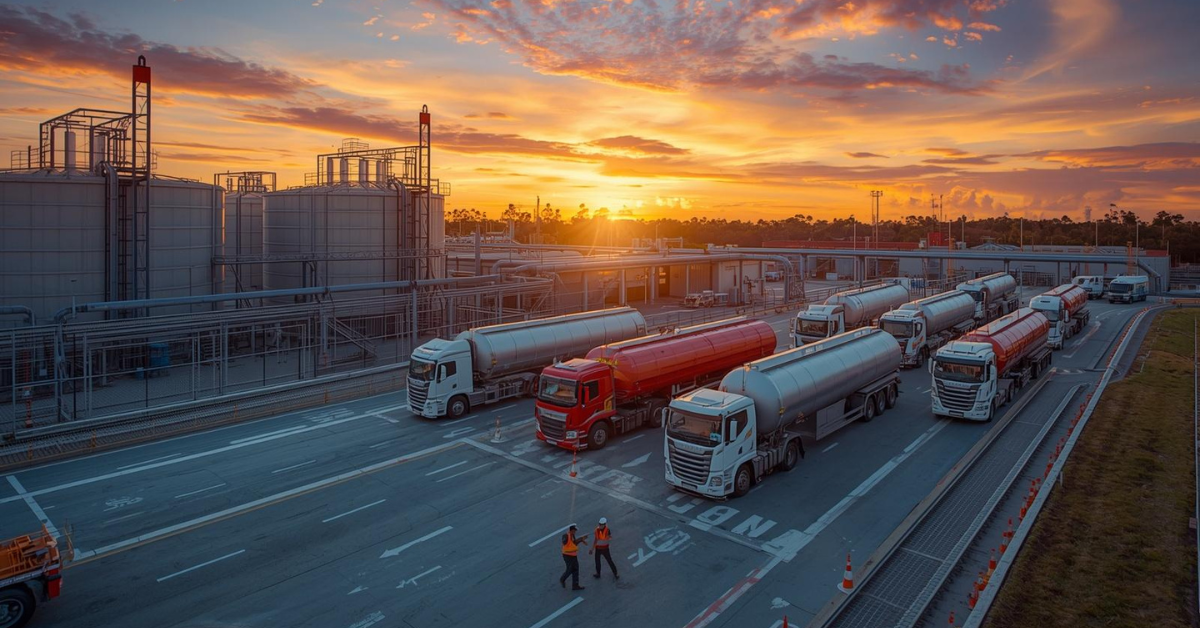
Decreto Supremo 160 is not just a regulation it is a national-level industrial safety system that governs how liquid fuels are handled, stored, transported, and distributed. In Chile and other Latin American jurisdictions, this decree acts as the backbone of fuel safety governance. It defines how energy infrastructure must operate to prevent disasters, protect the environment, and ensure uninterrupted fuel supply chains.
In 2026, its importance has increased due to stricter environmental standards, rising fuel demand, and modernization of industrial safety systems. Any company operating in the fuel sector must understand this decree to remain legally operational and financially protected.
What is Decreto Supremo 160? (Legal Definition + Industry Meaning)
Decreto Supremo 160 is a governmental decree that establishes mandatory safety regulations for liquid fuel systems including production, storage, transportation, and distribution.
In Chile, it is formally linked to the Ministry of Energy and regulates:
- Fuel infrastructure safety
- Operational compliance standards
- Emergency prevention systems
- Environmental protection measures
Unlike general laws, this decree functions as a technical regulatory framework, meaning it defines not only what is allowed—but exactly how operations must be performed.
Scope of Decreto Supremo 160 (End-to-End Fuel Control System)
This regulation covers the entire fuel lifecycle chain, ensuring zero weak points in safety management.
1. Fuel Production & Refining
- Refinery safety systems
- Pressure and temperature controls
- Hazard monitoring mechanisms
2. Storage Infrastructure
- Above-ground and underground tanks
- Corrosion protection standards
- Leak detection systems
3. Transportation Systems
- Pipeline safety requirements
- Fuel tanker regulations
- Transfer station protocols
4. Distribution & Retail
- Gas station safety compliance
- Fuel dispensing systems
- Customer-facing safety controls
This makes DS 160 a full-chain regulatory framework, not a partial guideline.
Technical Compliance Requirements (Engineering-Level Breakdown)
To comply with Decreto Supremo 160, companies must implement strict engineering and operational controls.
A. Infrastructure Standards
- Certified tank construction materials
- Structural integrity validation
- Anti-corrosion engineering systems
- Secondary containment systems
B. Operational Safety Systems
- Continuous leak monitoring technology
- Fire suppression systems
- Automated shutdown mechanisms
- Emergency venting systems
C. Documentation Requirements
- Maintenance logs
- Inspection records
- Incident reporting systems
- Compliance certification reports
Without these systems, operations are considered non-compliant and legally vulnerable.
Compliance Checklist
To pass regulatory audits, companies must ensure:
✔ Valid operational license
✔ Certified fuel storage tanks
✔ Fire prevention system installed
✔ Emergency response plan documented
✔ Staff safety training completed
✔ Regular inspection schedule maintained
✔ Environmental risk assessment updated
Missing even one requirement can trigger penalties.
Penalties for Non-Compliance
Decreto Supremo 160 enforcement is strict and can lead to serious consequences:
1. Financial Penalties
- Heavy regulatory fines
- Increased insurance premiums
- Operational cost penalties
2. Operational Consequences
- Temporary shutdown of facilities
- Suspension of fuel operations
- License revocation
3. Legal Liability
- Civil lawsuits
- Environmental damage claims
- Criminal negligence charges in severe cases
Compliance failure is not just costly it can completely stop business operations.
Real-World Impact: Why This Regulation Exists
Fuel systems are high-risk environments. Without regulation, industries face:
- Explosions due to pressure failure
- Underground contamination from leaks
- Fire outbreaks in storage terminals
- Transportation accidents involving fuel tankers
Decreto Supremo 160 exists to prevent these outcomes by enforcing predictive safety engineering instead of reactive disaster management.
Modern Updates (2026 Regulatory Evolution)
Recent regulatory improvements focus on:
- Integration of smart monitoring systems
- Digital compliance tracking tools
- Improved environmental protection standards
- Enhanced storage material requirements
- Alignment with global energy safety frameworks
The decree is evolving toward a digital-first compliance ecosystem, making audits more data-driven and automated.
Common Compliance Mistakes
Most companies fail due to:
- Outdated tank certifications
- Poor maintenance documentation
- Inadequate emergency training
- Ignoring inspection schedules
- Weak safety reporting systems
These mistakes are responsible for most regulatory violations.
Global Context: Why the Same Name Confuses Search Results
“Decreto Supremo 160” is not unique to one country:
| Country | Meaning |
| Chile | Fuel safety and industrial operations regulation |
| Bolivia | Fuel distribution and commercialization control |
| Peru | Fiscal or administrative decree variants |
| Others | Sector-specific legal instruments |
Future of Decreto Supremo 160 (Industry Forecast)
The regulation is expected to evolve into:
- AI-based compliance monitoring
- Real-time risk detection systems
- Automated inspection reporting
- Carbon-neutral fuel handling requirements
- Stronger environmental enforcement rules
This shows a shift from manual regulation to smart regulatory ecosystems.
Conclusion
Decreto Supremo 160 is one of the most important fuel safety regulations in Latin America. It defines how energy infrastructure must operate safely, efficiently, and responsibly. Its comprehensive coverage of production, storage, transport, and distribution makes it a full-scale industrial control system rather than a simple legal document.
For businesses, compliance is not optional—it is essential for survival. Companies that follow it gain operational stability, legal protection, and long-term sustainability, while those that ignore it face severe financial and operational consequences.
FAQs
Q. What is Decreto Supremo 160 used for?
It regulates safety standards for liquid fuel handling, storage, and transportation.
Q. Who must comply with DS 160?
All fuel-related companies including storage, transport, and distribution operators.
Q. What happens if a company violates it?
They may face fines, shutdowns, or legal action.
Q. Is it the same in every country?
No, the number is used differently across Latin American countries.
Q. Why is it important in 2026?
Because it now includes modern safety, environmental, and digital compliance systems.