

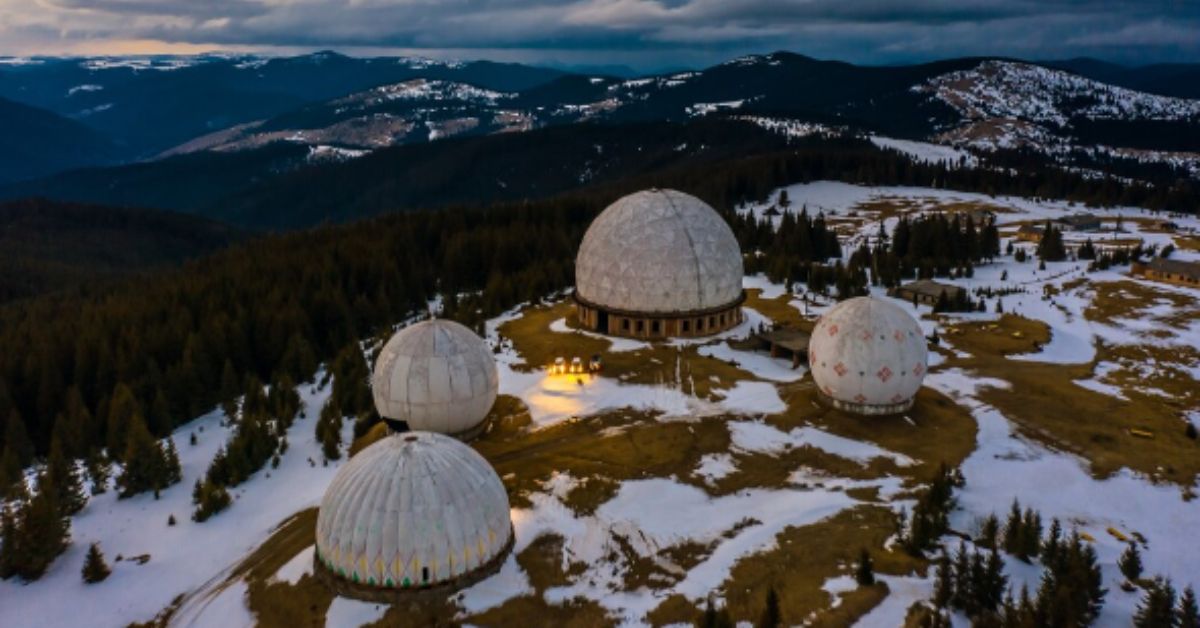
Severna Dakota is widely known as the alternative linguistic form of North Dakota, a state in the northern United States that often goes unnoticed despite its remarkable geographical, cultural, and economic importance. Situated in the Upper Midwest, it offers a unique blend of natural beauty, rural charm, and modern development. While it may not always dominate headlines, its steady growth and resilient communities make it a compelling subject of study.
Understanding Severna Dakota requires looking beyond simple geography. The region reflects a deep historical legacy rooted in Indigenous heritage, agricultural expansion, and energy development. Its identity has been shaped by both tradition and innovation, making it an excellent example of how lesser-known regions contribute significantly to a nation’s overall progress.
Geographic Landscape and Natural Features
The geography of Severna Dakota is defined by expansive plains, rolling prairies, and striking badlands. These natural features are part of the larger Great Plains region, known for its wide-open spaces and ecological diversity. The terrain supports agriculture while also offering scenic beauty that attracts visitors seeking tranquility and outdoor experiences.
In addition to plains and farmland, the western part of the state features rugged badlands, including areas like Theodore Roosevelt National Park. These landscapes are rich in wildlife and geological formations, offering a dramatic contrast to the flatter eastern regions. The state’s rivers, particularly the Missouri River, play a crucial role in irrigation, recreation, and local ecosystems.
Historical Background and Cultural Roots
The history of Severna Dakota is deeply intertwined with Indigenous cultures, particularly the Dakota and Sioux peoples. These communities lived on and managed the land long before European settlers arrived. Their traditions, languages, and cultural practices continue to influence the region today.
European settlement in the 19th century brought significant change, driven largely by agriculture and railroad expansion. Over time, the area evolved into a structured state with a strong rural identity. Despite modernization, many communities maintain a close connection to their historical roots, preserving traditions through festivals, museums, and local institutions.
Economic Strength and Key Industries
Severna Dakota has a surprisingly robust and diverse economy. While agriculture remains a cornerstone, the state has expanded into energy production, particularly oil and natural gas. This development has significantly boosted economic growth and employment opportunities over the past few decades.
Key industries include:
- Agriculture (wheat, corn, soybeans)
- Energy production (oil, natural gas, wind power)
- Manufacturing and food processing
- Technology and services in urban centers
The combination of traditional farming and modern industry creates a balanced economy. This resilience allows the state to adapt to changing economic conditions while maintaining stability.
Major Cities and Population Distribution
The population of Severna Dakota is relatively small compared to other U.S. states, with fewer than 1 million residents. However, its urban centers are growing rapidly, particularly Fargo and Bismarck. These cities serve as economic and cultural hubs, offering education, healthcare, and employment opportunities.
Despite urban growth, a significant portion of the population still lives in rural areas. This distribution creates a unique lifestyle dynamic, where modern amenities coexist with traditional rural living. Communities tend to be close-knit, and quality of life is often characterized by safety, affordability, and access to open spaces.
Climate and Living Conditions
The climate in Severna Dakota is continental, meaning it experiences extreme seasonal variations. Winters are long and cold, with heavy snowfall, while summers can be warm and pleasant. These conditions influence everything from agriculture to daily life.
Residents adapt well to these environmental challenges, and infrastructure is designed to handle seasonal changes efficiently. While the weather can be harsh, it also contributes to the region’s natural beauty and agricultural productivity.
Education and Community Development
Education plays a vital role in the development of Severna Dakota. The state is home to several reputable universities and colleges that support research, innovation, and workforce training. These institutions contribute to local economies and help retain young talent.
Community development initiatives focus on sustainability, rural support, and economic diversification. Programs aimed at improving infrastructure, healthcare, and education ensure long-term growth and stability. The emphasis on community engagement strengthens social bonds and enhances overall well-being.
Tourism and Attractions
Although often overlooked as a tourist destination, Severna Dakota offers a range of attractions for visitors. From national parks to cultural festivals, the state provides authentic experiences that highlight its natural and cultural richness.
Popular attractions include:
- Theodore Roosevelt National Park
- Scenic byways and outdoor recreation areas
- Cultural heritage museums
- Seasonal festivals and local events
Tourism in the region is steadily growing as more people discover its unique charm and peaceful environment.
| Category | Details |
|---|---|
| Region | Upper Midwest, USA |
| Capital | Bismarck |
| Largest City | Fargo |
| Population | Under 800,000 |
| Major Industries | Agriculture, Energy |
| Climate | Continental |
| Key Feature | Great Plains landscape |
| Cultural Roots | Indigenous Dakota & Sioux |
Challenges and Future Outlook
Like many rural regions, Severna Dakota faces challenges such as population retention, workforce shortages, and climate-related issues. However, proactive policies and economic diversification are helping to address these concerns effectively.
The future looks promising, with continued investment in energy, technology, and infrastructure. As awareness grows, Severna Dakota may gain greater recognition as a place of opportunity and stability.
Conclusion
Severna Dakota stands as a powerful example of how lesser-known regions can hold immense value. With its rich history, strong economy, and stunning landscapes, it offers both opportunity and inspiration. Whether viewed through the lens of geography, culture, or development, this northern state continues to prove its importance in meaningful and lasting ways.
Frequently Asked Questions
1. What does Severna Dakota mean?
It is a translated or alternative linguistic form of North Dakota, meaning “Northern Dakota.”
2. Where is Severna Dakota located?
It is located in the northern United States, bordering Canada.
3. What is Severna Dakota known for?
It is known for agriculture, energy production, and vast natural landscapes.
4. Is Severna Dakota a good place to live?
Yes, it offers a high quality of life, low population density, and strong community values.
5. Why is Severna Dakota important?
It contributes significantly to food production, energy resources, and regional stability in the U.S.