

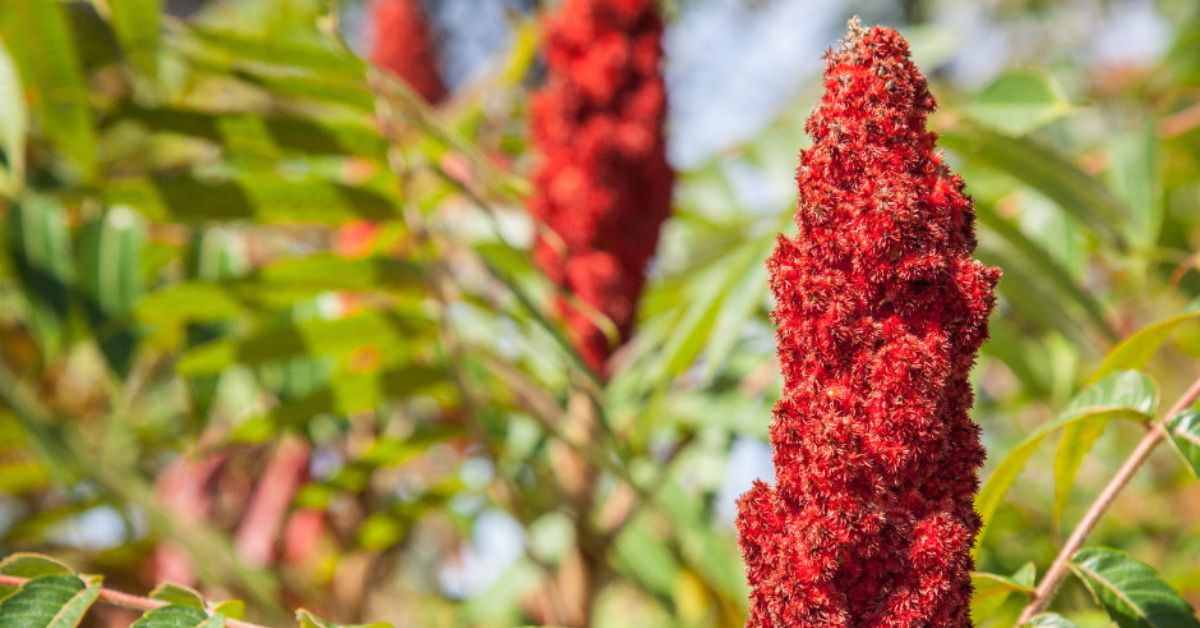
Sumaksläktet represents one of the most intriguing and versatile plant groups in the natural world. Known for its vivid seasonal colors, culinary value, and ecological importance, this genus has been appreciated across cultures for centuries. From traditional kitchens to modern landscaping, sumaksläktet continues to demonstrate its relevance and adaptability in both practical and aesthetic contexts.
Despite its widespread presence, many people only have a surface-level understanding of sumaksläktet. Some recognize it as a spice, while others admire its ornamental qualities, yet few fully appreciate the scientific depth and environmental significance behind it. This article provides a comprehensive and authoritative exploration designed to give you a complete understanding of the topic.
Botanical Classification and Scientific Background
Sumaksläktet belongs to the plant genus Rhus, which is part of the broader family Anacardiaceae. This family also includes well-known plants such as cashews and mangoes, highlighting its agricultural and economic importance. Within this genus, there are dozens of species, each adapted to specific climates and environments.
The plants in sumaksläktet are typically deciduous shrubs or small trees characterized by compound leaves and dense clusters of flowers. These flowers eventually develop into fruiting bodies that are often red, burgundy, or dark purple. Their structure and coloration not only serve biological functions but also contribute to their popularity in ornamental horticulture.
Natural Distribution and Habitat
Sumaksläktet is widely distributed across continents, including North America, Europe, Asia, and parts of Africa. Its ability to thrive in diverse climates—from dry, rocky slopes to forest edges—makes it one of the more adaptable plant genera. This adaptability allows it to flourish in environments where many other species would struggle.
In natural ecosystems, sumaksläktet often plays a pioneering role. It is commonly among the first plants to colonize disturbed land, helping stabilize the soil and create conditions suitable for other vegetation. This ecological function is critical in maintaining environmental balance and promoting biodiversity.
Physical Characteristics and Identification
Identifying sumaksläktet involves observing several key features. The leaves are typically arranged in a feather-like pattern, giving them a distinctive appearance. During autumn, these leaves transform into brilliant shades of red, orange, and yellow, making them highly noticeable in the landscape.
Another defining characteristic is the plant’s fruit. Many species produce tightly packed clusters of small, berry-like drupes. For example, Rhus coriaria is known for its edible fruits, which are used in culinary applications. However, caution is required because some related plants, such as Rhus toxicodendron, can cause severe allergic reactions.
Culinary Importance and Global Uses
One of the most celebrated uses of sumaksläktet is in the culinary world. The dried and ground berries of certain species produce a tangy, slightly sour spice that is widely used in Middle Eastern and Mediterranean cuisines. This spice enhances dishes with a refreshing acidity that can replace or complement lemon juice.
Beyond its flavor, sumaksläktet has become a symbol of traditional cooking practices. Its use spans generations, reflecting cultural heritage and regional identity. The spice is commonly added to salads, meats, and rice dishes, offering both taste and visual appeal.
Medicinal and Traditional Applications
Historically, sumaksläktet has been used in various traditional medicine systems. Certain species contain compounds believed to possess antioxidant, antimicrobial, and anti-inflammatory properties. These characteristics have made them valuable in treating minor ailments and supporting general health.
However, the medicinal use of sumaksläktet should always be approached with caution. The presence of toxic species within the genus means that incorrect identification can lead to adverse effects. Consulting knowledgeable sources or professionals is essential before using the plant for health purposes.
Environmental and Ecological Significance
Sumaksläktet plays a vital role in maintaining ecological stability. Its root systems help prevent soil erosion, particularly in areas prone to degradation. This makes it an important plant for land restoration and environmental conservation projects.
Additionally, sumaksläktet supports wildlife by providing food and shelter. Birds and small mammals often rely on its fruits, while its dense foliage offers protection from predators. These contributions highlight its importance beyond human use, emphasizing its role in sustaining ecosystems.
Ornamental Value in Landscaping
The aesthetic appeal of sumaksläktet has made it a popular choice in landscaping. Its dramatic foliage and unique growth patterns create visual interest throughout the year. In autumn, its vibrant colors can transform entire landscapes, making it a focal point in gardens and parks.
Another advantage of sumaksläktet is its resilience. It requires relatively little maintenance and can thrive in poor soil conditions. This makes it an excellent option for both professional landscapers and home gardeners seeking a low-maintenance yet visually striking plant.
| Feature | Details |
|---|---|
| Scientific Genus | Rhus |
| Family | Anacardiaceae |
| Growth Type | Shrubs and small trees |
| Climate Range | Temperate and subtropical |
| Main Uses | Culinary, medicinal, ornamental |
| Ecological Role | Soil stabilization, wildlife support |
| Risk Factor | Some species are toxic or allergenic |
Major Benefits and Limitations
Benefits
- Enhances landscapes with bold seasonal colors
- Provides a unique and widely used culinary spice
- Supports environmental restoration and soil health
- Requires minimal care once established
Limitations
- Some species can cause severe allergic reactions
- May spread aggressively in certain conditions
- Requires accurate identification for safe use
Safe Handling and Best Practices
When dealing with sumaksläktet, safety should always be a priority. Proper identification is essential, especially when foraging or using the plant for culinary or medicinal purposes. Visual similarities between safe and toxic species can lead to confusion, making expert guidance highly valuable.
Wearing protective gloves when handling unknown plants and avoiding direct contact with potentially harmful species are simple yet effective precautions. By taking these steps, individuals can safely enjoy the many benefits that sumaksläktet has to offer.
Conclusion
Sumaksläktet is far more than just a plant genus—it is a powerful example of nature’s complexity and usefulness. Its contributions to cuisine, medicine, landscaping, and environmental health make it a subject worthy of deep appreciation and study. At the same time, its potential risks remind us of the importance of knowledge and careful interaction with the natural world.
By understanding sumaksläktet in a comprehensive and informed way, we can fully appreciate its value while minimizing potential dangers. This balanced perspective ensures that its benefits can be enjoyed responsibly for generations to come.
Frequently Asked Questions
1. What is sumaksläktet?
Sumaksläktet refers to a genus of plants known as sumac, including shrubs and small trees with various uses.
2. Is sumaksläktet edible?
Some species are edible and used as spices, while others are toxic and should be avoided.
3. Where is sumaksläktet commonly found?
It grows in temperate and subtropical regions across multiple continents.
4. Why is sumaksläktet important in nature?
It helps prevent soil erosion and supports wildlife habitats.
5. Can sumaksläktet be used in gardening?
Yes, it is widely used for ornamental purposes due to its vibrant colors and low maintenance needs.