

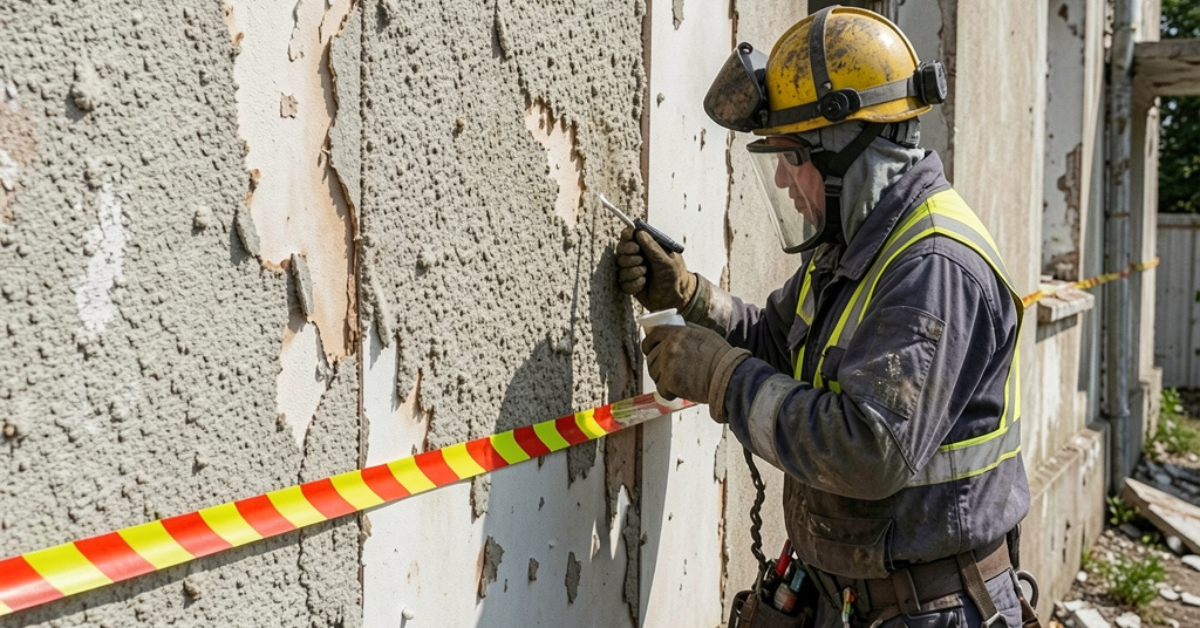
Asbestlint is an informal but widely used term describing asbestos-based fibrous materials that appear lint-like when degraded or disturbed. It is commonly associated with older industrial insulation products such as asbestos tape, rope, cloth, and lagging materials used for heat resistance in construction and manufacturing environments.
In practical terms, asbestlint is not a single standardized material name. Instead, it represents a visual and physical condition of asbestos fibers when they break down into fine, dust-like particles. These particles can resemble lint, floating dust, or soft fibrous debris. This interpretation is especially important in safety and environmental discussions because it highlights how asbestos behaves when it deteriorates.
The term is most often linked with aging infrastructure, where asbestos-containing materials lose structural stability over time, increasing the risk of airborne fiber release.
Industrial Origin and Historical Use of Asbestlint Materials
To understand asbestlint fully, it is necessary to look at the industrial history of asbestos materials. For much of the 20th century, asbestos was considered a “miracle mineral” due to its resistance to heat, fire, and chemical damage. It was heavily used in:
- Thermal insulation in pipes and boilers
- Fireproof sealing tapes and ropes
- Industrial furnace linings
- Shipbuilding insulation systems
- Construction joint and wall insulation
Over time, these materials degrade due to heat cycles, vibration, moisture, and physical disturbance. When this happens, the compact structure breaks down into fine fibers. These fibers may detach in a way that visually resembles lint accumulation—hence the term asbestlint.
Although modern regulations have largely banned or restricted asbestos use in many countries, older buildings and industrial systems still contain these materials, making understanding their behavior essential.
Physical Nature of Asbestlint: Why It Becomes Dangerous Over Time
Asbestlint forms when asbestos-based materials undergo friability, meaning they lose cohesion and crumble easily under touch or airflow. This transformation is critical because it changes asbestos from a stable solid into a highly mobile airborne fiber system.
Key characteristics include the following:
- Extremely fine fiber structure, often invisible to the naked eye
- Lightweight particles that remain suspended in the air for long periods
- Ability to attach to clothing, surfaces, and ventilation systems
- Resistance to natural breakdown, allowing long-term environmental persistence
Once airborne, these fibers behave similarly to dust but are far more hazardous due to their microscopic needle-like shape. This is what makes asbestlint a serious concern in renovation sites, industrial maintenance zones, and older residential structures.
Health and Environmental Risks Linked to Asbestlint Exposure
The primary concern surrounding asbestlint is not its appearance but its impact on human respiratory health. When inhaled, asbestos fibers can penetrate deep into lung tissue, where they may remain lodged for years or decades.
Major health risks include:
- Chronic lung inflammation
- Asbestosis (progressive lung scarring)
- Mesothelioma (rare but aggressive cancer affecting the lung lining)
- Increased risk of lung cancer, especially in long-term exposure cases
Environmental exposure is also significant. Once released, asbestlint fibers can contaminate indoor air systems, settle in dust layers, and re-enter circulation during cleaning or movement. This creates a long-lasting contamination cycle in poorly managed environments.
The danger is compounded by the fact that exposure is often invisible and delayed, meaning health effects may appear years after contact.
Where Asbestlint Is Commonly Found Today
Despite modern restrictions, asbestlint-related materials are still present in many structures built before the late 1980s. Common locations include:
- Old heating and boiler rooms
- Industrial pipe insulation systems
- Aging ship engine compartments
- Older residential attics and wall cavities
- Factory ventilation ducts and thermal wraps
In these environments, deterioration is often gradual and unnoticed until renovation or physical disturbance occurs. Activities such as drilling, cutting, sanding, or demolition significantly increase the risk of fiber release.
Safe Handling, Prevention, and Environmental Protection Practices
Managing asbestlint requires a strict safety-first approach. The most important principle is to avoid disturbance without a professional assessment.
Essential safety practices include:
- Do not touch or attempt to remove suspected asbestos materials
- Avoid sweeping or dry-cleaning contaminated areas
- Seal off affected zones to prevent airflow spread
- Use certified asbestos inspection and removal specialists
- Maintain controlled ventilation systems during remediation
- Follow regulated disposal procedures for hazardous waste
From an environmental perspective, proper containment and disposal prevent long-term soil and air contamination. Encapsulation techniques are sometimes used to stabilize materials in place when removal is not immediately possible.
Protective equipment such as respirators and sealed protective clothing is essential for trained professionals working in high-risk environments.
Modern Alternatives and Sustainable Transition Away from Asbestos Materials
The global shift away from asbestos has led to the development of safer, environmentally responsible alternatives. These materials aim to replicate heat resistance without the toxic fiber risk.
Common alternatives include:
- Mineral wool insulation (non-asbestos-based)
- Fiberglass thermal wraps
- Ceramic fiber insulation systems
- High-temperature synthetic composites
These materials support a safer construction ecosystem while reducing long-term environmental contamination risks. In modern green building practices, asbestos replacement is a critical part of sustainable infrastructure development.
Transitioning away from asbestos also reduces future remediation costs and protects urban environments from legacy contamination.
Identifying Asbestlint in Older Structures: Practical Awareness
Early identification of asbestlint-related materials is crucial for safety. While laboratory testing is required for confirmation, visual indicators may include:
- Fibrous, cotton-like, or dusty insulation around pipes
- Deteriorating white or gray tape-like wraps
- Crumbling material in boiler or furnace areas
- Dust accumulation near old thermal systems
However, visual identification alone is never reliable. Professional testing remains the only accurate method for confirmation. Misidentification can lead to unnecessary exposure risk.
Long-Term Environmental and Structural Impact
Asbestlint is not only a health issue but also an environmental persistence problem. Once released, asbestos fibers do not degrade easily. They remain stable in soil, air, and water systems for extended periods.
This creates:
- Long-term contamination zones in industrial sites
- Indoor air quality degradation in older buildings
- Increased remediation costs for urban redevelopment projects
From a sustainability perspective, managing legacy asbestos is part of broader environmental cleanup and modernization efforts in infrastructure systems worldwide.
Conclusion
Asbestlint represents more than outdated industrial material; it reflects a continuing environmental and health challenge linked to aging infrastructure. Understanding its nature, behavior, and risks is essential for preventing exposure and supporting asbestos renovation practices.
The most important takeaway is clear: asbestlint becomes dangerous when disturbed, and prevention depends on awareness, controlled handling, and professional intervention. As global construction moves toward safer, sustainable materials, identifying and managing legacy asbestos remains a critical step in protecting both human health and environmental integrity.
FAQs
Q. Is asbestlint a scientific term?
No, it is an informal term describing degraded asbestos fibers or insulation materials that resemble lint.
Q. Why is asbestlint dangerous?
Because it can release microscopic asbestos fibers that may cause serious respiratory diseases when inhaled.
Q. Where is asbestlint most commonly found?
In older buildings, especially around boilers, pipes, insulation systems, and industrial machinery.
Q. Can I remove asbestlint myself?
No. Disturbing it without proper equipment and training significantly increases exposure risk.
Q. What is the safest way to handle it?
Professional inspection, controlled removal, and regulated disposal are the only safe methods.