

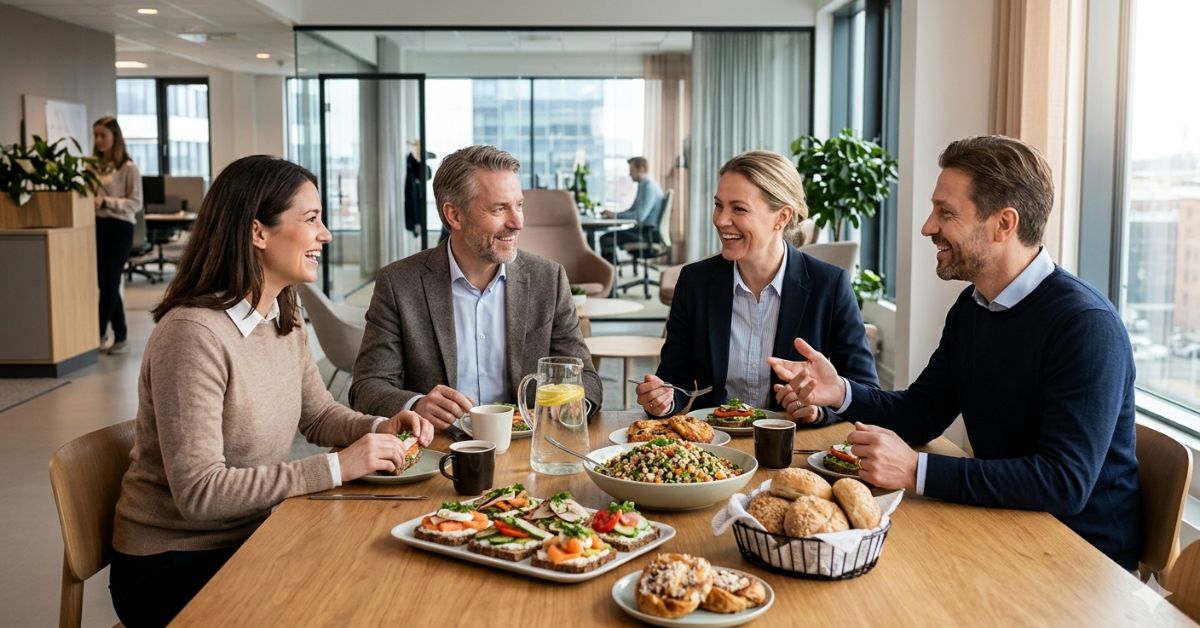
In today’s fast-moving professional environment, meaningful social interaction has become more important than ever. Shared meals are often used to strengthen relationships, encourage open discussion, and create a more welcoming atmosphere among colleagues, clients, and business partners. One growing concept connected to this culture is bjudlunch, a term rooted in Scandinavian social traditions that reflects generosity, hospitality, and professional connection.
Although the idea may sound simple, the impact of a hosted lunch can be significant. Organizations around the world are adopting similar practices to improve communication, support collaboration, and build trust within teams. From small businesses to large corporations, leaders increasingly recognize the value of creating informal spaces where people can interact naturally.
A professionally hosted lunch is more than a casual meeting. It can help employees feel appreciated, improve morale, and even support long-term business relationships. The concept behind bjudlunch highlights how thoughtful gestures often create stronger professional outcomes than formal communication alone.
Understanding the Cultural Meaning
The concept originates from Swedish social customs where inviting someone to lunch and covering the cost is viewed as a sign of goodwill and respect. Instead of focusing only on food, the tradition emphasizes conversation, relationship building, and mutual appreciation. In many Scandinavian workplaces, shared meals are considered an effective way to maintain healthy communication and social balance.
Modern professionals appreciate this approach because it creates a relaxed environment without unnecessary pressure. Team members often feel more comfortable discussing ideas during lunch than in a structured meeting room. This can lead to better collaboration, more creative thinking, and stronger interpersonal trust.
In many cases, bjudlunch is also connected with networking culture. Business owners, freelancers, and corporate managers may use hosted lunches to discuss projects, explore partnerships, or simply strengthen professional relationships in a comfortable setting.
Important Points at a Glance
| Topic | Key Insight |
|---|---|
| Origin | Inspired by Swedish hospitality culture |
| Main Purpose | Building relationships through shared meals |
| Professional Value | Encourages trust and open communication |
| Workplace Benefit | Improves collaboration and morale |
| Networking Advantage | Creates relaxed business discussions |
| Social Impact | Promotes generosity and inclusion |
Why bjudlunch Matters in Modern Work Culture
Workplace culture has changed dramatically over the last decade. Employees now value connection, appreciation, and emotional well-being just as much as salary and benefits. Companies that encourage healthy social interaction often experience stronger teamwork and higher employee satisfaction.
A hosted lunch can reduce communication barriers between managers and employees. Instead of formal discussions shaped by hierarchy, lunch conversations allow people to interact more naturally. This often results in improved understanding, fewer misunderstandings, and stronger workplace unity.
Another reason bjudlunch matters is its influence on company image. Businesses that prioritize employee engagement are often viewed as more supportive and people-focused. This can improve talent retention and help organizations attract skilled professionals who value positive work environments.
Professional Benefits for Businesses and Teams
Organizations that encourage social engagement frequently notice measurable improvements in workplace performance. Shared meals can strengthen cooperation among departments and encourage individuals to participate more openly in discussions. Even simple lunch gatherings may help teams feel more connected and motivated.
Some of the most valuable professional benefits include:
- Better communication between team members
- Increased employee motivation
- Stronger workplace relationships
- Improved networking opportunities
- Higher team collaboration
- Positive company culture development
The idea behind bjudlunch also supports leadership development. Managers who interact with employees in informal settings often gain better insight into workplace concerns, employee satisfaction, and team dynamics. This creates opportunities for more thoughtful decision-making.
The Role of Shared Meals in Networking
Networking events can sometimes feel overly formal or transactional. Lunch meetings offer a more comfortable alternative where professionals can build authentic connections. People tend to communicate more openly when the setting feels relaxed and welcoming.
Hosted lunches are especially useful for entrepreneurs, consultants, and freelancers who rely on relationship-driven business growth. Instead of focusing immediately on contracts or negotiations, lunch conversations encourage genuine interaction first. This often leads to stronger long-term partnerships.
Professionals who understand the value of bjudlunch frequently use it as part of client relationship strategies. A simple lunch invitation can demonstrate respect, appreciation, and interest in maintaining a healthy business connection.
How Businesses Use bjudlunch for Employee Engagement
Many organizations now include social lunch programs within their employee engagement strategies. Some companies organize monthly team lunches, while others provide informal meal gatherings after completing major projects. These experiences help employees feel recognized and included.
A positive workplace atmosphere can directly influence productivity. Employees who feel connected to their colleagues are often more motivated and committed to organizational goals. Informal lunch settings also encourage idea sharing, which may improve innovation and problem-solving.
The practical value of bjudlunch becomes especially clear in hybrid and remote work environments. As businesses search for ways to maintain human connection, shared meals can help restore personal interaction and strengthen workplace culture.
Best Practices for Hosting a Professional Lunch
A successful professional lunch requires thoughtful planning. The goal is to create a comfortable and respectful environment where everyone feels included. The experience should feel natural rather than overly structured.
Here are several best practices professionals commonly follow:
- Choose a quiet and comfortable location
- Respect dietary preferences and cultural needs
- Keep conversations balanced and professional
- Encourage participation from everyone present
- Focus on relationship building instead of sales pressure
- Maintain a welcoming and respectful atmosphere
Professionals often find that smaller lunch groups create more meaningful conversations. A calm environment allows participants to communicate openly and build stronger trust over time.
Building Long-Term Workplace Trust
Trust is one of the most valuable elements in any professional environment. Without trust, collaboration becomes difficult and communication weakens. Shared experiences, including meals, can play a meaningful role in strengthening workplace relationships.
Employees who regularly interact in relaxed social settings often develop stronger emotional connections with colleagues. This can improve teamwork during challenging projects and reduce workplace tension. Organizations that support healthy social interaction usually create more stable and cooperative teams.
The growing popularity of bjudlunch reflects a broader shift toward people-focused leadership. Modern companies increasingly recognize that strong relationships contribute directly to business success, employee loyalty, and long-term growth.
Conclusion
Professional relationships thrive when communication feels natural, respectful, and welcoming. Shared meals create opportunities for stronger interaction while encouraging collaboration and trust. In both social and corporate settings, hosted lunches continue to serve as valuable tools for relationship building and employee engagement.
The growing interest in bjudlunch reflects a wider understanding that business success is not driven by strategy alone. Human connection, appreciation, and meaningful conversation remain essential parts of productive workplaces. Organizations that invest in these experiences often create healthier cultures, stronger teams, and more sustainable professional relationships.
Frequently Asked Questions
1. What does bjudlunch mean?
It refers to inviting someone to lunch and covering the cost as a gesture of hospitality and goodwill.
2. Is bjudlunch only used in Sweden?
The concept has Swedish roots, but similar social and professional practices are used worldwide.
3. Why are hosted lunches important in business?
They help improve communication, strengthen relationships, and encourage collaboration.
4. Can small businesses benefit from bjudlunch?
Yes, even small teams can use shared meals to improve morale and build stronger connections.
5. Is bjudlunch useful for networking?
Absolutely. Informal lunch meetings often create more authentic and lasting professional relationships.