

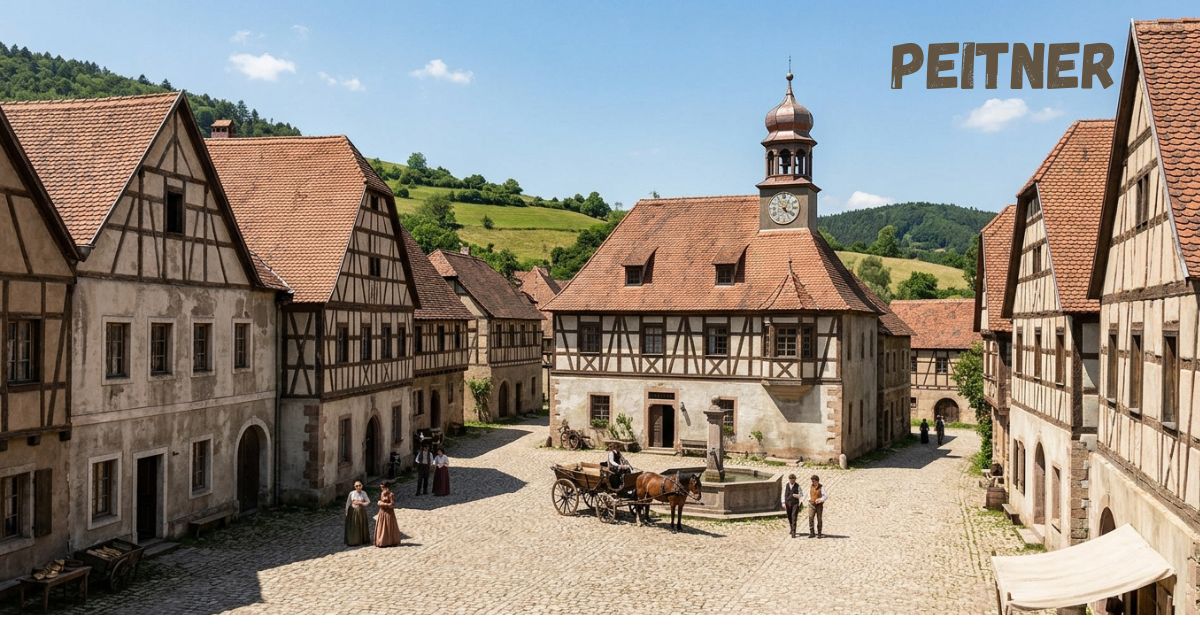
Peitner is a distinctive surname with deep roots in the German-speaking Alpine regions of Europe. Although it is not a commonly encountered name worldwide, it carries historical significance for families whose ancestry traces back to areas such as South Tyrol, Austria, and parts of Germany. Like many traditional European surnames, it reflects centuries of family heritage, regional identity, and cultural continuity.
Today, interest in Peitner extends beyond genealogy. Historians, researchers, and descendants often explore the name to better understand migration patterns, historical records, and family lineages. While the surname is relatively uncommon, it has appeared in various professional fields, including academia, engineering, architecture, sports, and the arts.
What Is Peitner?
The surname Peitner belongs to the long tradition of Germanic family names that developed during the Middle Ages. During this period, surnames became increasingly necessary to distinguish individuals within growing communities. Many names were inspired by occupations, locations, physical characteristics, or family relationships, and this surname likely emerged from one of these historical naming practices.
Although its precise linguistic origin remains uncertain, historians generally associate the name with the Alpine regions where German dialects have been spoken for generations. Families carrying the surname have preserved it through centuries, making it an important part of regional heritage and genealogy.
Historical Background
Understanding the historical context of this surname helps explain why it continues to appear primarily in Central Europe. The Alpine regions experienced frequent political and cultural changes over the centuries, with borders shifting between kingdoms and empires. Despite these transitions, many family names remained unchanged, preserving valuable records of local history.
Historical documents suggest that families bearing this surname were often connected to rural communities, farming settlements, skilled trades, or local businesses. Church registers, census records, and civil archives have helped genealogists trace numerous family branches across generations, offering valuable insights into migration and community life.
Geographic Distribution
The surname is most strongly associated with the Alpine region, particularly areas where German is widely spoken. Modern migration has spread the name to other countries, but its highest concentration remains in Europe.
Families with this surname can commonly be found in:
- South Tyrol (Northern Italy)
- Austria
- Southern Germany
- Switzerland
- Countries where European descendants have migrated, including North America and Australia
Although global migration has expanded its presence, the surname remains relatively rare compared to more widespread German family names.
Cultural and Genealogical Importance
For many families, surnames represent more than simple identifiers—they preserve history, tradition, and cultural identity. Peitner serves as an example of how a family name can connect modern generations with their ancestral origins. Individuals researching their heritage frequently encounter historical records containing the surname in parish archives, immigration documents, and local registries.
Genealogy has become increasingly popular with the availability of digital historical records. Many descendants use these resources to discover ancestral villages, migration routes, and family relationships spanning multiple centuries. Such research often reveals fascinating stories about occupations, social status, and community involvement.
Notable Individuals
Although the surname is not widely recognized internationally, several individuals carrying it have earned respect within their professional fields. Their accomplishments demonstrate the diverse contributions made by families sharing the name.
Examples include professionals associated with:
- Architecture and design
- Engineering and technical research
- Academic institutions
- Winter sports and athletics
- Regional artistic communities
These achievements highlight the surname’s presence across multiple disciplines while reflecting the educational and cultural traditions of the Alpine region.
Is Peitner a Company, Brand, or Place?
Many people searching online wonder whether this keyword refers to a business or geographic location. In reality, it is primarily recognized as a family surname rather than a commercial brand or official place name.
Some local businesses may incorporate the surname into their company names because they are family-owned enterprises. These businesses often operate in sectors such as construction, engineering, agriculture, hospitality, or professional services. However, there is no globally recognized corporation that uses the surname alone as its primary brand identity.
Similarly, there is no internationally known city or municipality officially named after the surname. Instead, its significance lies in family history rather than geography.
Interesting Facts About Peitner
The surname carries several characteristics that make it notable among European family names.
| Fact | Details |
| Name Type | German-language surname |
| Primary Origin | Alpine region of Europe |
| Common Countries | Italy (South Tyrol), Austria, Germany |
| Language Family | Germanic |
| Usage | Family name |
| Historical Roots | Medieval European naming traditions |
| Modern Interest | Genealogy, ancestry, family history |
| Global Popularity | Relatively uncommon |
Why People Search for This Surname
People search for this surname for a variety of reasons, ranging from family history to academic curiosity. As genealogy becomes increasingly accessible through online archives, interest in historical surnames continues to grow.
Common search intentions include:
- Learning the surname’s meaning
- Discovering ancestral origins
- Building a family tree
- Identifying notable individuals
- Exploring migration history
- Understanding regional heritage
Researchers also examine historical census records, church documents, and immigration databases to connect family branches across different countries.
Conclusion
Peitner represents far more than a simple surname. It reflects centuries of European history, regional traditions, and family continuity rooted in the Alpine regions of South Tyrol, Austria, and Germany. While relatively uncommon on a global scale, the surname remains an important marker of identity for descendants seeking to understand their ancestral heritage.
As interest in genealogy continues to expand, historical surnames such as Peitner provide valuable connections between modern families and their past. Through archival research, family records, and cultural history, descendants can gain meaningful insights into the lives, migrations, and traditions of earlier generations. Whether explored for personal ancestry or historical research, the surname continues to hold lasting cultural and genealogical significance.