

The global textile industry is undergoing a profound shift toward sustainability, and one concept gaining attention is Woolrec. As environmental concerns intensify, industries are seeking smarter ways to reduce waste while maintaining quality and performance. This approach reflects a broader movement toward responsible production and consumption, aligning with modern ecological priorities.
In essence, Woolrec represents an evolving strategy centered on recycling wool fibers to create new materials without compromising their natural benefits. This concept is increasingly relevant as consumers and manufacturers alike recognize the environmental cost of traditional textile production and look for viable alternatives.
Understanding the Concept of Wool Recycling
The idea behind Woolrec is rooted in circular economy principles, where materials are reused rather than discarded. Wool, being a natural and durable fiber, lends itself exceptionally well to recycling processes. Instead of ending up in landfills, used wool garments can be reprocessed into new yarns and fabrics.
This method not only extends the lifecycle of wool products but also preserves the inherent qualities of the fiber, such as insulation, breathability, and biodegradability. By integrating Woolrec practices, the textile industry can significantly reduce its reliance on raw material extraction and minimize environmental impact.
The Process Behind Woolrec
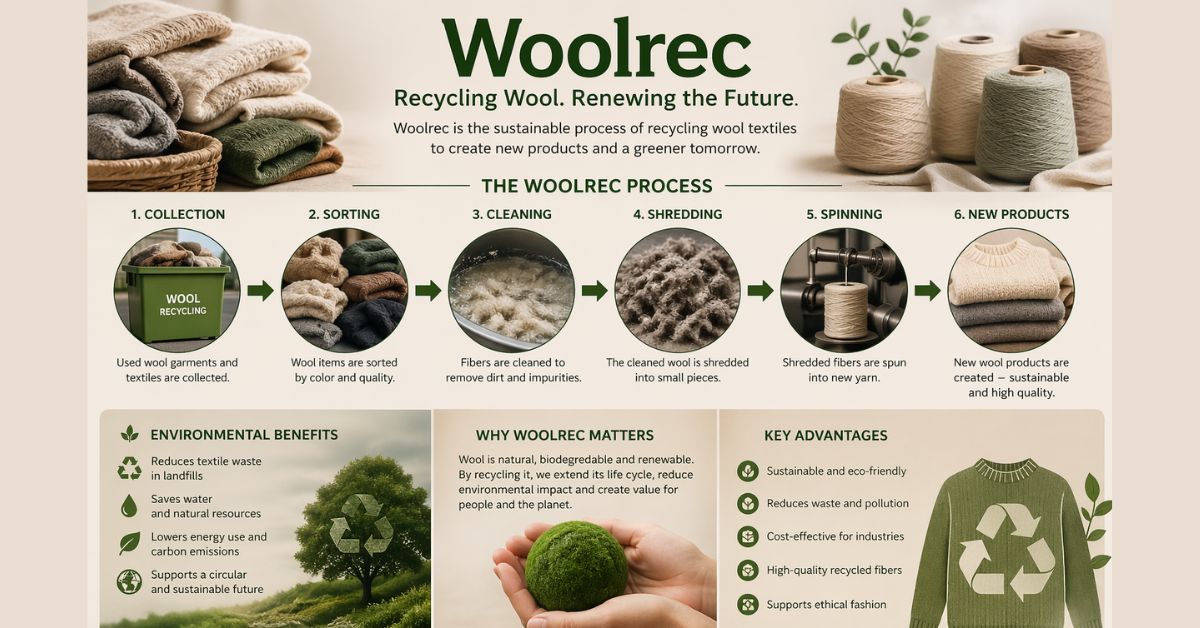
Recycling wool involves several carefully managed steps that ensure quality and usability. The process begins with the collection of discarded or unused wool items, which are then sorted based on color and material composition. This sorting phase is crucial to maintain consistency in the final product.
Once sorted, the wool is cleaned and mechanically shredded into fibers. These fibers are then spun into new yarns, which can be used to produce a wide range of textile products. The efficiency and innovation embedded in Woolrec processes demonstrate how traditional materials can be revitalized through modern techniques.
Environmental Benefits of Woolrec
One of the most compelling advantages of Woolrec lies in its environmental impact. Textile waste is a major global issue, and wool products contribute significantly to this problem when not properly managed. Recycling helps divert waste from landfills and reduces pollution.
Additionally, wool recycling consumes far less water and energy compared to producing new wool. It also lowers greenhouse gas emissions associated with farming and manufacturing. By adopting Woolrec, industries can take a meaningful step toward reducing their ecological footprint while maintaining high-quality output.
Economic and Industry Impact
The adoption of Woolrec is not only environmentally beneficial but also economically advantageous. Recycling processes can lower production costs by reducing the need for raw materials. This creates opportunities for businesses to operate more efficiently while meeting sustainability goals.
Furthermore, the growing demand for eco-friendly products has opened new markets for recycled textiles. Companies that incorporate Woolrec into their operations can strengthen their brand reputation and appeal to environmentally conscious consumers, ultimately gaining a competitive edge in the market.
Key Advantages of Wool Recycling
The growing popularity of wool recycling is driven by several important benefits:
- Reduces textile waste and landfill accumulation
- Conserves natural resources such as water and land
- Lowers energy consumption and carbon emissions
- Maintains the durability and quality of wool fibers
- Supports sustainable and ethical manufacturing practices
These advantages highlight why Woolrec is becoming an essential component of modern textile strategies.
Challenges and Limitations
Despite its many benefits, Woolrec is not without challenges. One of the primary obstacles is the degradation of fiber quality during repeated recycling cycles. Over time, fibers may become shorter and less resilient, requiring blending with new wool to maintain strength.
Another challenge is the complexity of sorting mixed-fiber garments. Many modern textiles combine wool with synthetic materials, making recycling more difficult. Addressing these challenges requires ongoing innovation and investment in advanced recycling technologies to ensure the continued growth of Woolrec initiatives.
Future Outlook and Innovations
The future of Woolrec looks promising as technological advancements continue to improve recycling efficiency and fiber quality. Innovations in fiber separation and processing are making it easier to handle complex materials and produce high-quality recycled textiles.
As sustainability becomes a central focus across industries, the role of wool recycling is expected to expand. Governments, organizations, and manufacturers are increasingly supporting initiatives that promote circular production models. This momentum suggests that Woolrec will play a vital role in shaping the future of sustainable fashion and textile manufacturing.
Conclusion
The transition toward sustainable practices in the textile industry is no longer optional—it is essential. Woolrec represents a powerful solution that combines environmental responsibility with economic viability. By transforming waste into valuable resources, it offers a practical path toward a more sustainable future.
As awareness grows and technologies evolve, the adoption of wool recycling practices will likely accelerate. Embracing Woolrec not only benefits the environment but also supports innovation, efficiency, and long-term industry resilience.
FAQs
1. What is Woolrec?
Woolrec refers to the process and concept of recycling wool materials to create new textile products, supporting sustainability and reducing waste.
2. Why is wool recycling important?
It helps reduce environmental impact by minimizing waste, conserving resources, and lowering energy consumption.
3. Does recycled wool maintain quality?
Yes, although some fiber strength may decrease over time, blending techniques help maintain durability and performance.
4. Can all wool products be recycled?
Most pure wool items can be recycled, but mixed-fiber materials may require additional processing.
5. Is wool recycling cost-effective?
Yes, it can reduce production costs and create new market opportunities for sustainable products.