

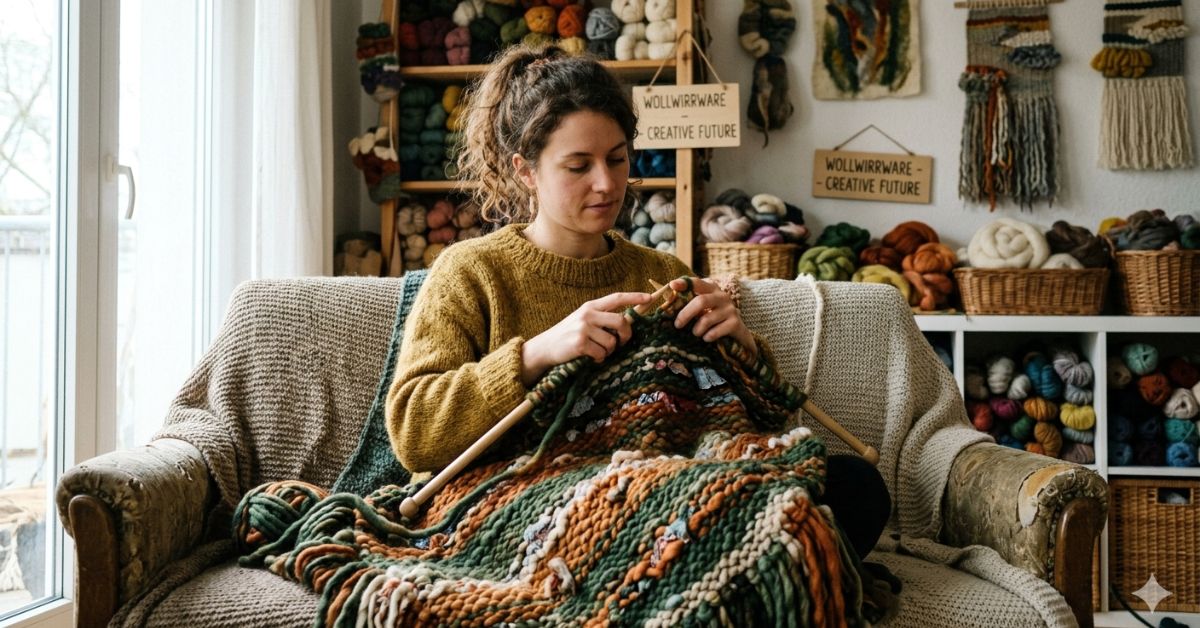
Handmade textiles have experienced renewed interest as consumers increasingly look for products that feel authentic, durable, and distinct from mass-produced goods. Wool, in particular, remains an important material for knitting, weaving, felting, crochet, clothing, accessories, and interior decoration. Within this broader craft landscape, Wollwirrware is a niche term that has attracted curiosity among people interested in wool, yarn art, and handmade textile creativity.
Because Wollwirrware is not a widely established standard term with a universally accepted dictionary definition, it is important to approach the word carefully. It can be understood in the context of wool-based creative work, handmade textile objects, tangled or experimental yarn arrangements, and artistic approaches to working with wool. The exact meaning may depend on how the term is being used by a particular creator, community, website, or project.
Rather than treating it as a formally recognized textile category, it is more useful to view the concept as part of the wider world of creative wool craftsmanship. This perspective connects it with established practices such as knitting, crocheting, felting, weaving, yarn art, and textile decoration.
What Is Wollwirrware?
Wollwirrware is a niche expression associated with creative wool and yarn craftsmanship. The word appears to have German-inspired components, with “Woll” commonly associated with wool. However, there is no broadly recognized technical definition that establishes it as a specific textile manufacturing method, material classification, or standardized craft category.
That distinction matters because niche internet terms can develop different meanings depending on where they appear. Some may describe a creative style, an artistic project, a product concept, or simply a descriptive phrase. Therefore, claims that assign one fixed definition to the term should be treated cautiously unless supported by a reliable primary source.
In practical terms, readers encountering this expression can explore it through the established world of wool crafts. This includes handmade yarn objects, knitted pieces, crocheted designs, felted artwork, textile decorations, and experimental fiber art.
Key ideas associated with the concept include:
- Wool and other fiber-based materials
- Handmade textile craftsmanship
- Yarn manipulation and creative construction
- Knitting, crochet, weaving, and felting
- Decorative and functional textile objects
- Experimental approaches to fiber art
Understanding these established craft practices provides a more reliable foundation for interpreting a relatively uncommon term.
The Craftsmanship Behind Wool-Based Art
Wool crafting is much more than simply connecting strands of yarn. Different techniques require knowledge of fiber characteristics, tension, structure, texture, color, and finishing. An experienced craftsperson must understand how a particular wool behaves before deciding which technique is appropriate.
Knitting creates fabric through interlocking loops, while crochet uses a hook to form stitches. Felting works differently by matting fibers together through moisture, friction, and pressure. Weaving involves crossing yarns or fibers in a structured pattern. Each method produces different textures, strengths, and visual effects.
Creative wool work can therefore range from practical everyday objects to highly expressive pieces of fiber art. A maker may use traditional techniques while experimenting with unusual shapes, contrasting textures, irregular patterns, or mixed materials.
The quality of a handmade textile often depends on details that are not immediately visible. Fiber selection, yarn consistency, stitch tension, joining methods, edge finishing, and appropriate care can all influence the final result.
Common techniques used in wool and fiber crafts
| Technique | Basic approach | Typical applications |
|---|---|---|
| Knitting | Creates fabric through interlocking loops | Garments, scarves, blankets |
| Crochet | Forms stitches with a hook | Accessories, decor, clothing |
| Felting | Bonds wool fibers together | Art, ornaments, bags |
| Weaving | Interlaces horizontal and vertical fibers | Wall art, rugs, textiles |
| Yarn art | Uses yarn for visual or decorative expression | Displays, mixed-media crafts |
These techniques demonstrate why wool remains such a versatile medium for both traditional and contemporary makers.
Why Wool Remains Important in Handmade Textiles
Wool has been used by human societies for centuries because it combines useful physical properties with strong creative potential. Depending on the animal, processing method, and fiber characteristics, wool can provide warmth, elasticity, softness, and insulation.
Different types of wool behave differently. Merino wool, for example, is known for its relatively fine fibers, while coarser wool can be appropriate for applications where structure and durability are more important. The quality of a finished product depends not only on the word “wool” but also on fiber grade, processing, yarn construction, and craftsmanship.
Wool also has an important role in slow and traditional forms of textile production. A carefully made item can remain useful for many years when it is constructed well and maintained according to the characteristics of its fiber.
However, sustainability claims should not be overstated. Wool is a natural and biodegradable fiber under suitable conditions, but its environmental footprint depends on factors such as farming practices, land use, processing, transportation, dyeing, and product lifespan. Responsible sourcing and long-term use are therefore important considerations.
For consumers interested in handmade wool products, useful questions include:
- Where did the fiber come from?
- How was it processed?
- Was it responsibly sourced?
- How durable is the finished product?
- What care does the item require?
- Can it be repaired or reused?
These questions provide a more meaningful approach to sustainable textile consumption than assuming every wool product is automatically environmentally friendly.
Creative and Cultural Value of Handmade Wool Work
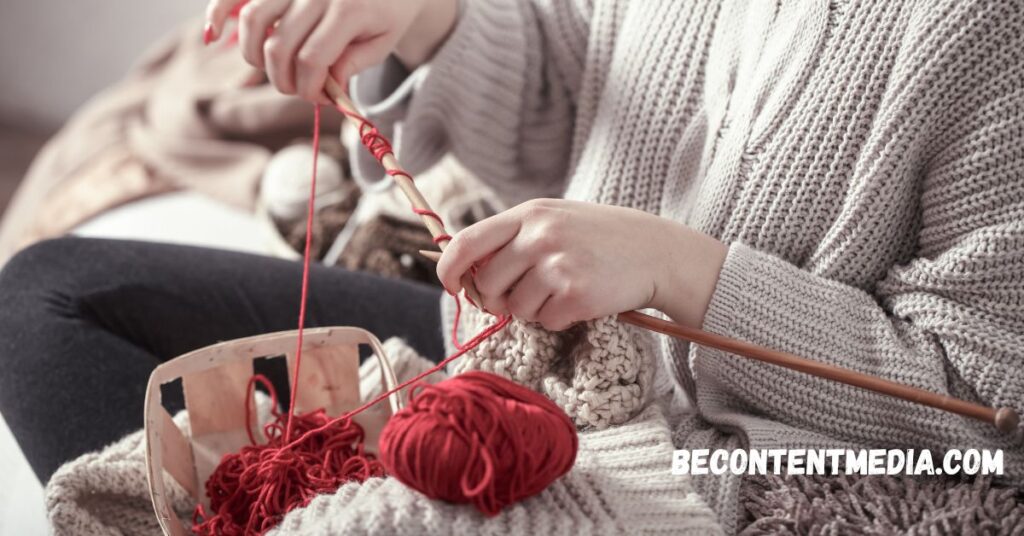
One of the strongest qualities of handmade textile art is its individuality. Industrial manufacturing generally aims for consistency, while handmade production naturally allows variations in texture, shape, color, and finishing. Those differences can become part of the character of the finished piece.
Wool crafts also connect modern creators with long-established traditions. Knitting, crochet, weaving, spinning, and felting have been practiced in different forms across many cultures. Contemporary artists frequently reinterpret these techniques instead of simply reproducing historical designs.
This combination of tradition and experimentation has helped fiber art become an increasingly flexible creative medium. Artists can use wool to explore abstract forms, sculpture, interior decoration, fashion, and mixed-media installations.
There is also a social dimension to textile craftsmanship. Craft groups, workshops, classes, and online communities provide opportunities for people to exchange techniques and preserve knowledge. Experienced makers can pass practical skills to beginners, while newer creators introduce unconventional approaches and digital influences.
The result is a constantly evolving craft culture in which traditional knowledge and contemporary creativity can exist together.
Wollwirrware in the Modern Handmade Economy
The growth of online commerce has changed how independent textile artists reach customers. A small-scale creator no longer needs a traditional physical store to display handmade work. Digital marketplaces, social platforms, personal websites, craft fairs, and community events can all provide routes to an audience.
For a maker working with wool-based products, success generally depends on more than producing attractive objects. Material quality, originality, accurate descriptions, photography, pricing, customer service, packaging, and reliable fulfillment all contribute to a professional handmade business.
Potential product categories include:
- Knitted clothing and accessories
- Handmade blankets and household textiles
- Felted artwork
- Yarn-based decorations
- Textile gifts
- Custom-made pieces
- Craft kits and educational workshops
Customization can be particularly valuable in handmade markets because customers may want specific colors, dimensions, patterns, or designs. At the same time, creators need to account realistically for the labor involved in producing personalized work.
A sustainable handmade business also requires transparent communication. Makers should clearly identify materials, explain care requirements, provide accurate dimensions, and avoid making environmental or performance claims that cannot be supported.
The Future of Wool Craft and Wollwirrware
The future of niche wool craftsmanship is likely to be influenced by several overlapping trends: renewed interest in traditional skills, demand for distinctive handmade products, growing awareness of material origins, and the continuing expansion of digital craft communities.
Technology does not necessarily compete with traditional craftsmanship. Instead, it can make learning and sharing easier. Digital tutorials allow beginners to learn techniques from experienced makers, while online communities enable artists from different regions to exchange ideas and develop collaborative projects.
At the same time, consumers are becoming more interested in the story behind products. A handmade textile can have greater perceived value when buyers understand its material, construction process, maker, and intended use. This creates an opportunity for artisans to communicate craftsmanship rather than relying solely on product aesthetics.
For Wollwirrware, its future significance will depend largely on how the term develops and how consistently it is used. Since it currently lacks a universally established definition, creators and publishers should avoid presenting assumptions as established facts. Clear explanations and connections to recognized textile practices make the concept easier for readers to understand.
Ultimately, the enduring appeal of wool craftsmanship does not depend on a single emerging term. It comes from the combination of material versatility, human creativity, traditional knowledge, and the desire for objects made with care.
Conclusion
Wollwirrware represents a niche and somewhat ambiguous term that can be explored through the broader world of wool craftsmanship, yarn art, and handmade textile creativity. Although it does not have a universally recognized technical definition, its association with wool-based artistic work makes it relevant to discussions about knitting, crochet, felting, weaving, and contemporary fiber art.
The wider wool-craft movement continues to demonstrate the value of handmade production. It combines practical skills with artistic expression while giving consumers alternatives to standardized, mass-produced goods.
For anyone researching Wollwirrware, the most reliable approach is to distinguish established textile knowledge from interpretations of the emerging term itself. Looking at the materials, techniques, craftsmanship, sustainability considerations, and cultural context provides a clearer and more useful understanding of this niche subject.
FAQs
1. What is Wollwirrware?
Wollwirrware is a niche term associated with creative wool and yarn craftsmanship. It can relate to handmade textile art, yarn arrangements, and experimental fiber-based designs.
2. Is Wollwirrware a recognized textile technique?
There is no widely accepted technical definition of Wollwirrware as a standardized textile technique. Its meaning can vary depending on the context in which the term is used.
3. What materials are commonly associated with Wollwirrware?
Wool and yarn are the primary materials associated with the concept, although other natural or textile fibers may also be incorporated into creative fiber-art projects.
4. What crafts are related to Wollwirrware?
Related crafts include knitting, crochet, weaving, felting, spinning, and decorative yarn art. These techniques allow creators to produce both functional and artistic textile pieces.
5. Why is Wollwirrware attracting interest?
Interest in the concept is connected to the wider popularity of handmade crafts, creative textile art, traditional craftsmanship, and more thoughtful approaches to material use.