

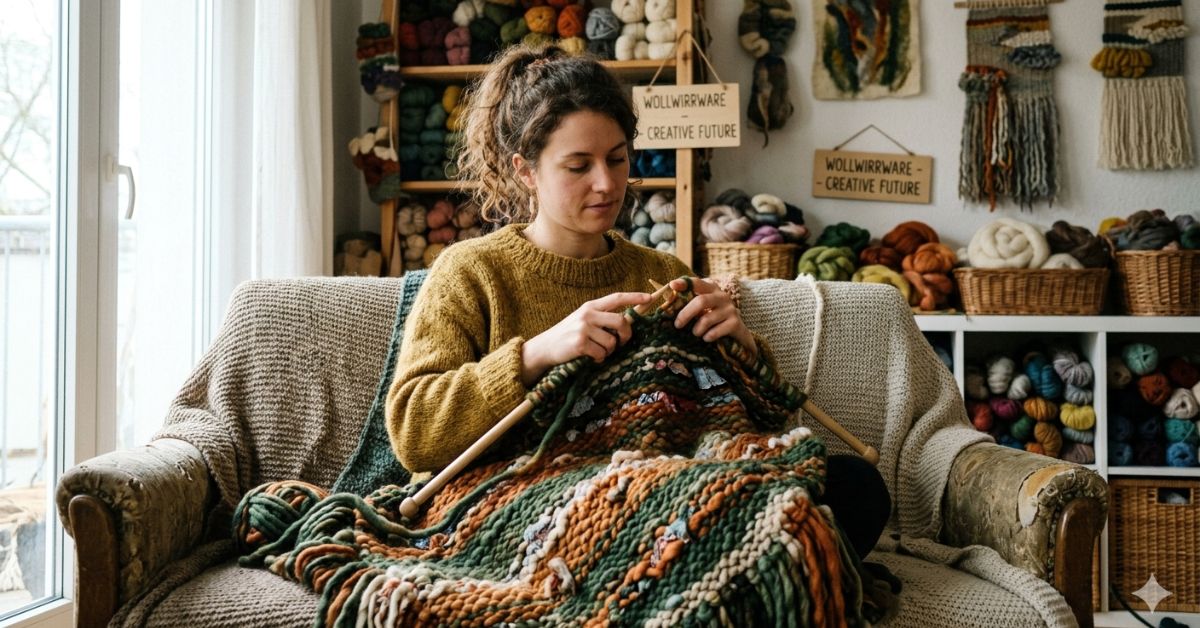
In recent years, handmade crafts and sustainable textile products have gained remarkable attention across global markets. Among emerging creative trends, wollwirrware has started attracting interest from craft enthusiasts, designers, and eco-conscious consumers alike. Although the term remains niche, it represents a growing appreciation for artistic wool craftsmanship, originality, and sustainable handmade products.
The modern consumer is no longer satisfied with mass-produced decorative items. People now seek authenticity, creativity, and products that tell a meaningful story. This shift has opened opportunities for specialized craft concepts like wollwirrware, which combines artistic expression with practical textile design. Whether used in knitting communities, boutique handmade shops, or creative textile workshops, the concept reflects individuality and craftsmanship.
What Is Wollwirrware?
The term wollwirrware appears to originate from German-inspired wording associated with wool-based products and creative textile arrangements. While there is no strict dictionary definition, the keyword is commonly linked with handmade wool crafts, knitting projects, artistic yarn creations, and textile decor.
In creative industries, wool has always symbolized warmth, comfort, and sustainability. Products associated with wollwirrware often emphasize handcrafted quality rather than industrial production. This makes the concept appealing to individuals who appreciate artisan products with unique visual and emotional value.
Key Characteristics
- Handmade craftsmanship
- Sustainable wool materials
- Artistic textile creativity
- Personalized design elements
- Eco-friendly production methods
These qualities align closely with modern consumer preferences, especially among buyers seeking environmentally responsible and aesthetically unique products.
Why Handmade Wool Crafts Are Becoming Popular
The rise of handmade culture is strongly connected to changing lifestyle preferences. Many consumers are moving away from factory-made items and supporting small creators who produce authentic products with attention to detail. As a result, concepts related to wollwirrware are benefiting from the global appreciation for artisanal craftsmanship.
Another reason for this growing popularity is sustainability. Wool products are often biodegradable, reusable, and durable. Unlike synthetic materials, natural wool contributes less environmental waste and provides excellent insulation and comfort.
Handmade wool creations also hold emotional value. A handcrafted scarf, decorative textile piece, or knitted accessory often feels more meaningful because it reflects time, creativity, and personal effort. This emotional connection increases the long-term value of handmade products in the eyes of consumers.
The Creative Appeal of Wollwirrware
Creativity plays a central role in the identity of wollwirrware. Unlike standardized retail products, handmade wool crafts allow artists and designers to experiment with textures, colors, patterns, and techniques. Every creation becomes unique and impossible to duplicate perfectly.
This artistic freedom encourages innovation within the textile industry. Designers can combine traditional knitting methods with modern decorative styles to create products suitable for contemporary homes and fashion trends. From wall decorations to cozy winter accessories, wool craftsmanship continues evolving with changing consumer interests.
Common Products Associated With Wool Crafting
| Product Type | Purpose | Popularity |
|---|---|---|
| Handmade Scarves | Fashion and warmth | High |
| Wool Wall Decor | Interior decoration | Growing |
| Knitted Accessories | Personal styling | High |
| Decorative Yarn Art | Artistic display | Moderate |
| Handmade Blankets | Comfort and luxury | High |
The versatility of wool products allows creators to serve multiple markets, including fashion, home decor, gifts, and lifestyle accessories.
Sustainability and Eco-Friendly Benefits
Sustainability has become one of the strongest selling points for wool-based craftsmanship. Ethical consumers increasingly prioritize environmentally friendly materials, and this trend directly supports interest in wollwirrware products.
Natural wool is renewable and biodegradable, making it a responsible alternative to synthetic textiles. Many handmade wool creators also adopt low-waste production methods, further reducing environmental impact. These practices align with modern sustainability standards and strengthen consumer trust.
In addition to environmental advantages, wool products are known for durability. High-quality handmade wool items can last for years when maintained properly. This long lifespan reduces unnecessary consumption and encourages mindful purchasing behavior.
Environmental Advantages of Wool
- Renewable natural material
- Long-lasting product durability
- Lower synthetic waste generation
- Biodegradable textile composition
- Supports slow-fashion principles
As sustainable living becomes more important worldwide, handmade wool crafts continue gaining commercial and cultural relevance.
The Role of Craftsmanship in Modern Markets
Craftsmanship has evolved into a symbol of premium quality and authenticity. Consumers today are more informed and selective about the products they purchase. They value transparency, production ethics, and creative originality. This shift creates strong opportunities for niche concepts like wollwirrware.
Small businesses and independent artisans are especially benefiting from digital marketplaces and social media exposure. Handmade creators can now showcase their skills to international audiences without relying entirely on traditional retail systems.
The craftsmanship movement also supports local economies by encouraging small-scale production and preserving traditional textile techniques. Many artisans blend historical knitting traditions with contemporary design trends, creating products that feel both timeless and modern.
How Wollwirrware Supports Creative Expression
Creative hobbies are increasingly recognized for their mental and emotional benefits. Activities such as knitting, crocheting, and textile crafting can reduce stress while encouraging mindfulness and concentration. This psychological aspect contributes to the growing appeal of wollwirrware among hobbyists and professional creators alike.
For artists, wool crafting offers endless possibilities for experimentation. Different yarn textures, stitching methods, and color combinations allow creators to develop highly personalized designs. This flexibility makes wool art both functional and visually engaging.
Creative communities built around handmade crafts also encourage collaboration and skill-sharing. Online forums, workshops, and social platforms help artisans exchange ideas, learn advanced techniques, and inspire innovation within the crafting industry.
Business Opportunities in the Handmade Wool Industry
The handmade textile market continues expanding as consumers seek personalized and sustainable products. Entrepreneurs working with wollwirrware concepts can explore opportunities in several profitable areas.
Popular business models include online craft stores, customized knitting services, handmade decor brands, and eco-friendly fashion accessories. Because consumers increasingly value uniqueness, small brands often compete successfully against larger manufacturers in specialized markets.
Potential Business Areas
- Handmade clothing accessories
- Wool-based home decor
- Personalized gift products
- Artisan craft workshops
- Sustainable fashion collections
Digital platforms have simplified the process of reaching customers worldwide. Social media marketing, e-commerce websites, and creative branding strategies allow independent artisans to build loyal customer communities.
Maintaining Quality in Handmade Wool Products
Quality is essential in any handmade craft business. Buyers expect durable materials, careful stitching, and professional finishing. Maintaining these standards helps creators build long-term credibility and customer trust.
Experienced artisans typically focus on sourcing high-quality wool, using reliable crafting techniques, and ensuring consistent product presentation. Proper maintenance instructions also help customers preserve their handmade items for longer periods.
Attention to detail is particularly important because handmade buyers often associate craftsmanship with premium value. Products connected to wollwirrware gain stronger market appeal when creators prioritize both artistic creativity and product reliability.
The Future of Wollwirrware
The future of wollwirrware appears promising as consumer trends continue favoring sustainability, individuality, and handmade creativity. Younger audiences are showing increased appreciation for artisan goods and environmentally responsible production methods.
Technological advancements are also helping artisans expand their reach. Online marketplaces, digital tutorials, and global shipping networks allow handmade creators to access broader audiences than ever before. This accessibility supports long-term growth within the handmade wool sector.
As awareness around ethical consumption continues increasing, handmade wool products may become even more valuable in both fashion and home decor industries. The balance between creativity, sustainability, and craftsmanship positions this niche as an exciting area for future development.
Conclusion
The growing interest in handmade craftsmanship has created exciting opportunities for creative textile concepts like wollwirrware. By combining sustainability, artistry, and authentic craftsmanship, this niche reflects many of the values modern consumers prioritize today.
From eco-friendly fashion accessories to decorative home textiles, wool-based handmade products continue gaining recognition across global markets. Their emotional value, creative uniqueness, and environmental advantages make them highly appealing in an increasingly mass-produced world.
As the demand for sustainable and meaningful products grows, the influence of wollwirrware is likely to expand further. For creators, entrepreneurs, and craft enthusiasts, this evolving trend offers both artistic inspiration and long-term commercial potential.
Frequently Asked Questions
1. What does wollwirrware mean?
The term is generally associated with handmade wool crafts, creative yarn products, and artistic textile creations.
2. Is wollwirrware related to sustainable fashion?
Yes, many products connected to wool craftsmanship emphasize eco-friendly materials and sustainable production methods.
3. Why are handmade wool products popular?
Consumers value their uniqueness, durability, artistic quality, and environmentally responsible nature.
4. Can handmade wool crafts become a business?
Absolutely. Many artisans successfully sell handmade accessories, decor items, and personalized textile products online.
5. What makes wool an eco-friendly material?
Wool is renewable, biodegradable, durable, and produces less long-term waste compared to synthetic textiles.